

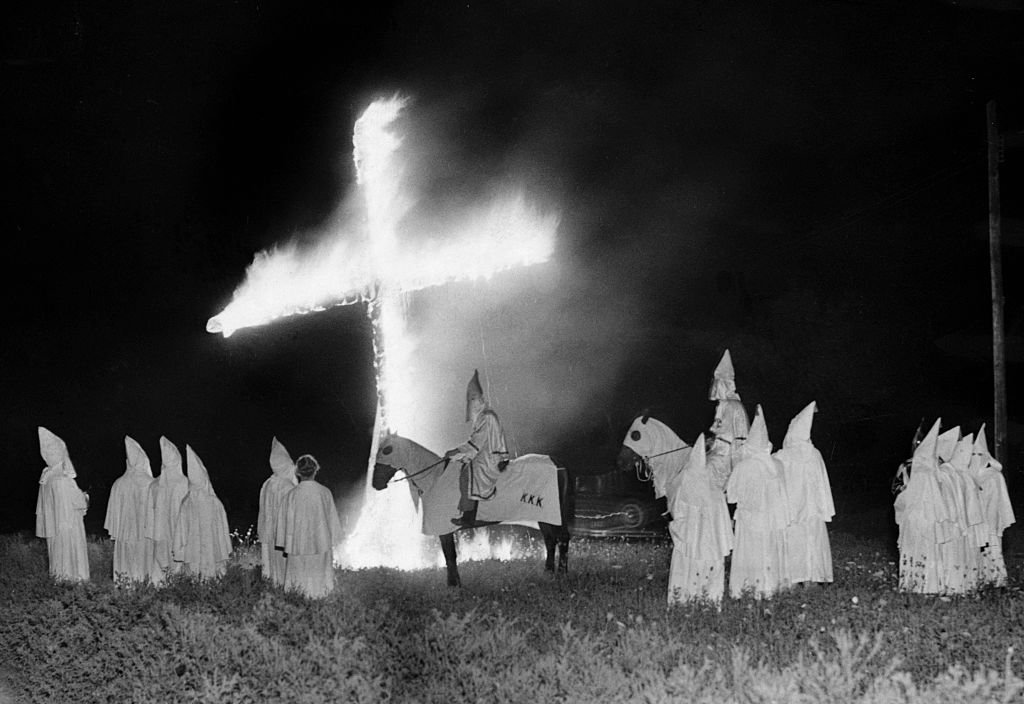
- Klan artifacts found in government building, raising questions about historical ties to hatred.
- Klan’s violent, organized campaign to resist desegregation and suppress Black rights exposed.
- Preserving these artifacts is crucial to understand and condemn the Klan’s hateful ideology.
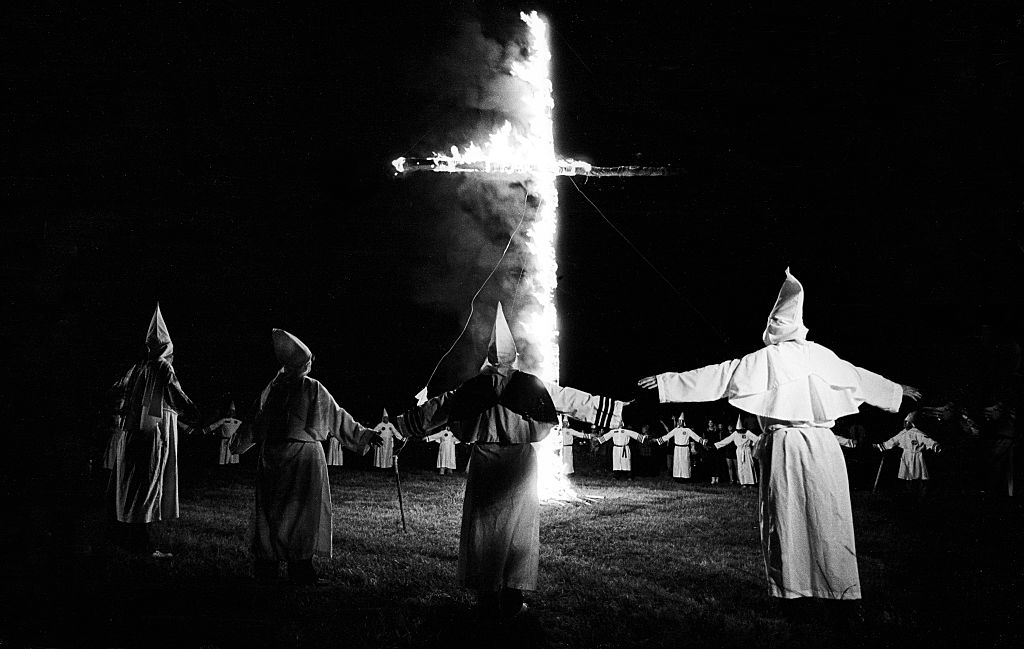
The discovery detailed in this article is less a curiosity and more a grim reminder of how deeply the rot of the Ku Klux Klan once permeated Mississippi—and how its hateful legacy still demands confrontation.
According to a WTVA report, officials with the Mississippi Department of Public Safety stumbled upon a small suitcase while cleaning out a closet during a move. Inside was a disturbing collection of Klan artifacts dating back to the 1960s: robes, recruitment pamphlets, meeting notes, charters, and ledgers tracking members and dues. What might sound like dusty relics instead paints a vivid picture of an organized, methodical hate machine—one that cloaked itself in secrecy while orchestrating terror.

The materials are tied to the so-called White Knights, one of the most violent Klan factions, responsible for bombings, beatings, and murders during the Civil Rights era. Their documents reveal not just racism, but a calculated campaign to resist desegregation and suppress Black Americans’ basic rights. Instructions for surveillance, intimidation, and violence were not fringe ideas—they were central to the group’s operations.
Equally chilling is the propaganda found among the materials. Pamphlets attacking civil rights leaders like Martin Luther King Jr. show how the Klan attempted to disguise its brutality behind warped ideology and outright lies. These weren’t just hateful opinions; they were tools designed to recruit, radicalize, and justify violence.
To their credit, state officials transferred the materials to the Mississippi Department of Archives and History, where they will be preserved and studied. The stated goal is to ensure future generations understand the full scope of the Klan’s actions. That matters—because pretending this history is distant or irrelevant only allows its underlying attitudes to fester.
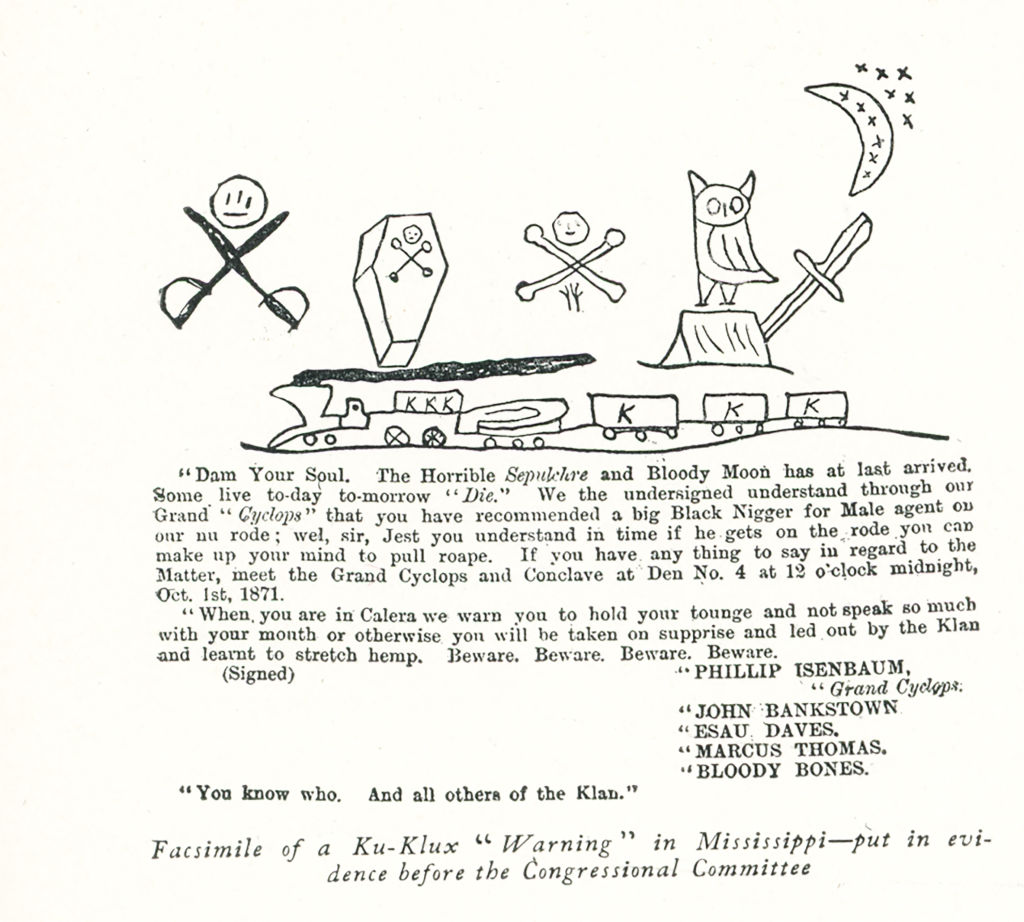
Still, there’s something deeply unsettling about where these items were found: tucked away inside a government building. It raises uncomfortable questions about how close institutions once stood to this kind of hatred—and whether enough has truly changed.
Ultimately, this discovery is not just about the past. It’s a stark warning. The Klan was never just a collection of robes and secret meetings—it was a sustained campaign of terror rooted in white supremacy. Treating these artifacts as mere history risks minimizing the brutality they represent. They should instead be viewed for what they are: evidence of a hateful ideology that deserves nothing but condemnation—and constant vigilance to ensure it never regains a foothold.
