

- Personal connections over meals create lasting business relationships that runway shows alone cannot achieve.
- Lagos Fashion Week attracts international visitors willing to spend money on hotels, dining, and clothes, positioning it as a major destination.
- African fashion’s diversity—different references, customers, and aesthetics—becomes more compelling when designers’ work is seen together.

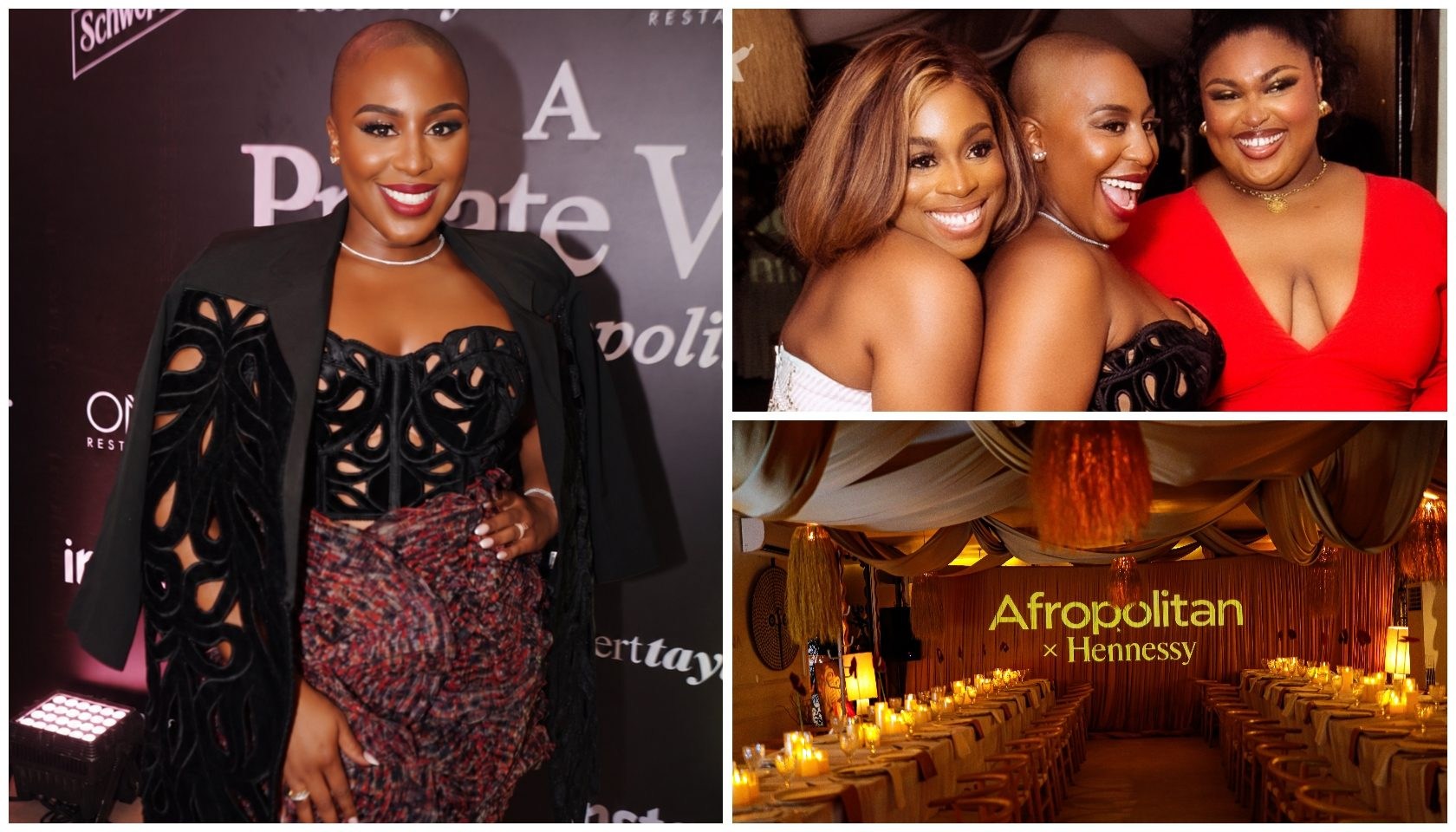
Bishop Duke On Tuesday, October 27, the night before Lagos Fashion Week officially opened, I stood at the door of Ona, wearing a custom Christie Brown and watching the room fill beyond the number of chairs we had set. Designers sat next to the women who bought their clothes. Stylists met editors. American creators Eni Popoola and Tenicka Boyd, who are here Lagos for the week, were meeting designers they had only known through Instagram and hugging the ones whose pieces already hung in their closets.
We called it A Private View by Afropolitan. It was my second year bringing a room like this together in Lagos, built around something I have come to understand: some of the most important conversations in African fashion happen over a meal, before anyone sees a runway.
I am a Nigerian American who splits her life between Lagos and the United States, and I co-host The Afropolitan Podcast, a show about the people building Africa’s future. Some of our strongest episodes have been about the business of fashion. Mai Atafo sat with us and walked through what it takes to run an atelier in this city. So did Banke Kuku, whose silk prints have become recognisable in wardrobes across the diaspora. Their conversations made the work behind the clothes visible: the margins, production decisions and payroll that continue long after a collection has been photographed.
Those interviews have shaped the way I look at fashion week. I love a beautiful show. I also want to know what happens to the business when everyone goes home.
This year, we spotlighted four designers: Israella Kobla, Stella Yieda, Nitémi and Christie Brown. The brief I gave myself was simple. Put the designer in the same room as the woman who will wear the piece, the stylist who will pull it, the editor who will write about it and the creator who will post it. Then feed everyone well and give them room to talk.
A designer in Lagos can spend an entire season being photographed without ever sitting across from the woman who would actually order the piece. I wanted to shorten that distance to the width of a dinner table.
I have seen those introductions last. Designers and creators I brought together at last year’s brunch kept talking after the event, and some of those creators became returning customers. That relationship belongs to them. My part was making the introduction. For a label working largely through made-to-order, a woman who comes back for her next birthday, wedding or holiday can matter far more than a photograph that travels for a day.
A Continent In One Tent

Lagos Fashion Week’s October 28 to November 1 programme brought runway shows to the Federal Palace Hotel on Victoria Island, alongside presentations and events across the city. This year’s theme, CRAFTED: Heritage. Innovation. Circular Futures, put the work of making at the centre of the conversation.
What struck me was the range of places represented. Sahrazad and Jermaine Bleu were on Friday’s programme. Christie Brown and Israella Kobla joined a week that also included Holy One and Fiuneggru. Sitting in the tent, I was reminded how much gets flattened by the phrase “African fashion.” These designers have different references, customers and ideas about what a woman might want to wear. Seeing their work together made those differences more interesting.
The Nigerian houses held the floor, too. Sevon Dejana’s embroidered gowns deserved a closer look than a runway walk could give them. Fruché took Saturday night’s final slot alongside Ugo Monye. There is a pleasure for me in watching designers whose work you know well and waiting to see where they will take it next.
Beyond the tent, the city had its own programme. Andrea Iyamah’s fifteenth-anniversary presentation at Isimi Lagos in Epe brought guests out on October 24, ahead of the official opening. I was there for Rooted, and I found it an interesting decision to take us that far outside central Lagos. Asking people to make that journey, with the weather still capable of having its own plans, was a risk. The landscape gave the clothes space, and the show made the journey feel worthwhile.
Pop-ups, private presentations and retail events extended the week across Lagos. Following fashion here meant moving through the city, discovering where designers wanted us to encounter their work.
Lagos As A Destination

Trinidad has Carnival. Cannes has its film festival. Milan has its fashion week. People travel for the occasion, then build a trip around where they will eat, stay and shop. Culture gives them a reason to book.
Lagos is doing that, too. On Threads, I saw Americans posting about their first visit, Londoners returning, and women asking how to plan for next year. The appeal was in the accumulation of everyone’s footage: a show, an outfit, a dinner, a night out. Together, those posts offered a picture of Lagos that people wanted to enter.
Many fashion influencers paid for their own flights. That matters. They made a decision to spend their money and time here because the week offered something they wanted to experience. Their presence also brought them into direct contact with designers whose work they could buy, wear and introduce to their audiences.
Follow that spending through the city and the economic argument becomes clear. A fashion trip pays for a hotel room, restaurant bookings, a driver, hair and makeup, perhaps a photographer, and the clothes someone takes home. The runway is part of a much wider transaction.
But wanting people to come and making it easy for them to come are different jobs. If Lagos wants to grow as a fashion destination, the practical experience has to receive the same attention as the imagery. Clear information, reliable schedules and easier movement between events all shape whether a visitor returns and brings someone else.
The enthusiasm is already visible. I want to see us take it seriously enough to plan for it.
For me, the week came together on Saturday, watching Israella Kobla’s models turn at the end of the runway while women who had been at our dinner lifted their phones to film. Days earlier, the label had been a conversation across a table. Now they were watching the clothes move.
I want African fashion to build businesses as enduring as the desire its clothes create.
Afropolitan Co-Founder Chika Uwazie Takes Us Behind The Seams Of Lagos Fashion Week
was originally published on
hellobeautiful.com
