

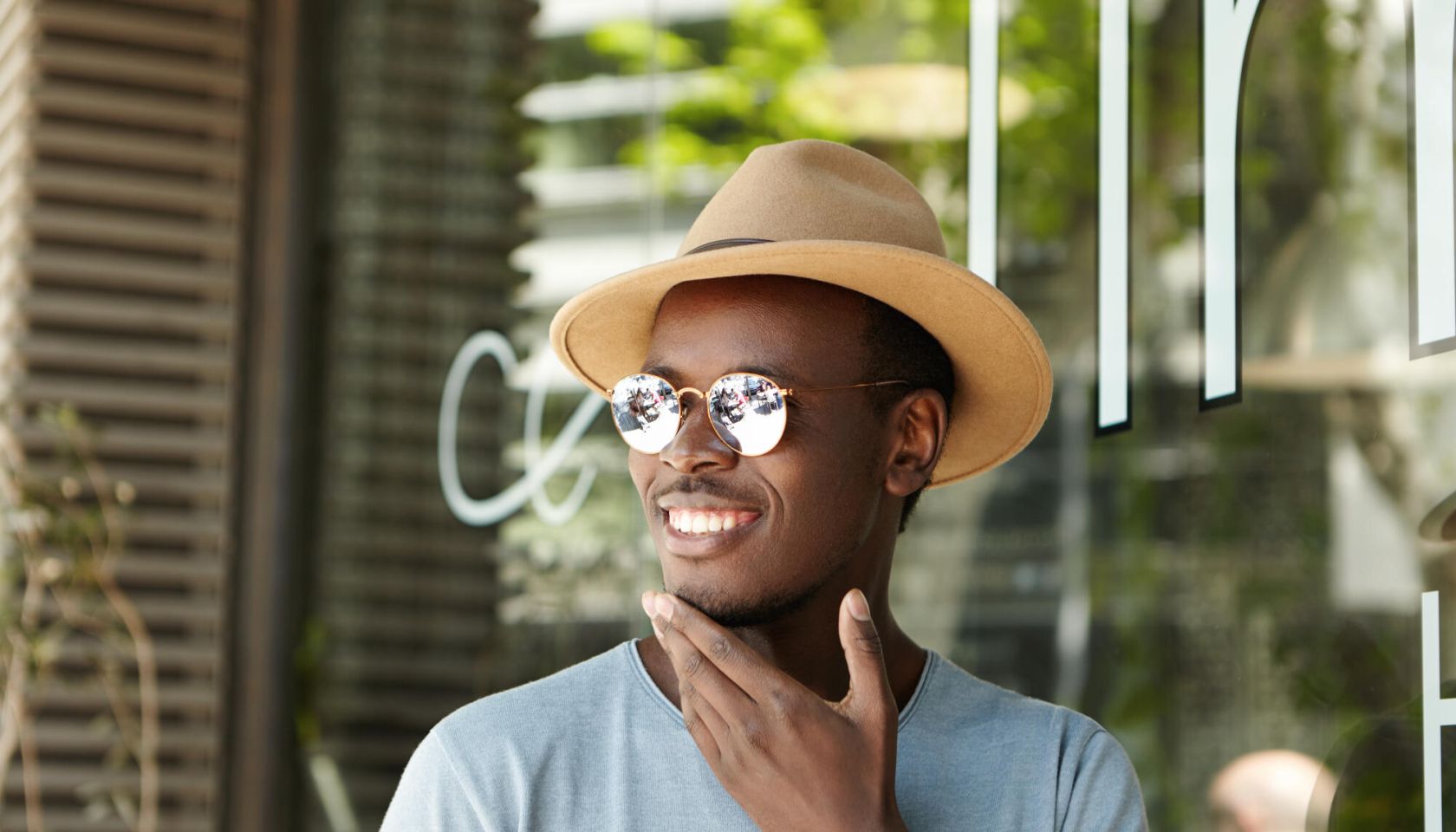
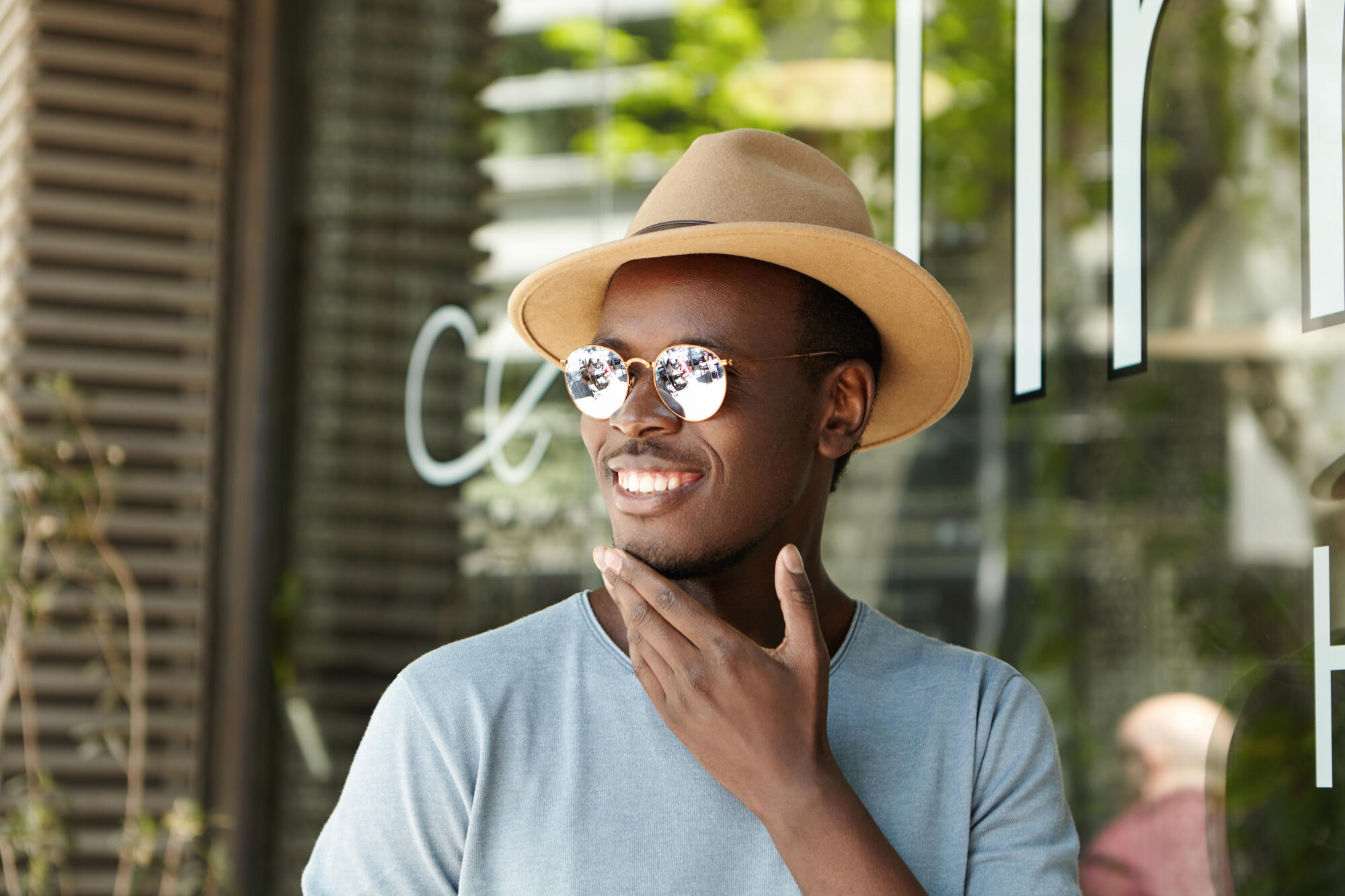
Streetwear stopped coming out of corporate boardrooms a long time ago. Today, the biggest brands know exactly where the real influence lives: underground music scenes and local art studios. They bring in neighborhood creatives, throw a unique design on a simple baseball cap, and suddenly you have a limited-edition piece that vanishes in seconds. Why does it work so well? Because young buyers don’t just want a hat. They want to feel like they actually belong to a movement.
The financial payoff for this strategy is absolutely wild. Back in 2022, the National Assembly of State Arts Agencies dropped a massive statistic, showing that artistic industries pumped $1.1 trillion into the national economy. Fashion partnerships are grabbing a huge chunk of that pie. People are completely bored of basic, printed logos. They want real, hand-crafted artwork. When brands finally deliver that, their product drops absolutely break the internet.
Why Is Collaborative Fashion So Popular?
Creative collectives survive by smashing high-end luxury together with everyday street style. Major labels teaming up with niche artists creates a sense of raw authenticity you simply cannot manufacture in a corporate boardroom.
Exclusivity completely drives the market. Dropping a highly limited run of hats or jackets triggers an immediate rush to buy, fueling the exact same hype and overnight sell-outs we constantly see in sneaker culture.
The collision of luxury design and hip-hop culture produces garments neither side could dream up alone. High-end fashion houses spent decades ignoring urban lifestyle trends. Fast forward to today, and Pharrell Williams is running menswear at Louis Vuitton, while artists like Pusha T and Lauryn Hill are securing massive industry partnerships.
Underground labels gain serious manufacturing muscle from corporate backing. Daymond John proved the power of grassroots hype years ago when his brand, FUBU, exploded in popularity. Samsung’s textile division noticed the momentum and swooped in to provide overseas production access, finally allowing John to move his operation out of his house in Queens.
Mixing different creative worlds allows massive brands to tap into fresh demographics, while giving buyers wearable art with a real cultural heartbeat.
How Do Fashion Creative Collectives Infuse Identity?
The art of these collaborations is collaborative storytelling, grassroots organizations, and DIY aesthetics that can create a more authentic clothing experience. Instead of having one designer as the sole creator, collaboratives bring in musicians, artists, and other creators who have a more authentic theme around lived experiences that buyers relate to.
Pop-ups, hosted events, and savvy online marketing help create a dedicated following and sense of belonging by being part of something that feels exclusive. With the rise of personalization, such as custom patches and embroidery, buyers can modify pieces while showing off their favorite brands.
What Headgear Is Making Waves in Urban Fashion?
People use headwear as an accessory that can blend experimental textures, logos, and nostalgic heritage, creating a sense of belonging. Some of the most popular headwear in urban streetwear include crochet and mesh caps, as they provide a more relaxed, hand-crafted texture.
There are also textured fitted hats like caps, which have never gone out of style, but are upgraded with more unconventional materials like satin, corduroy, and extra embroidery. A brimless cap is also coming back, as it has a clean and streamlined aesthetic.
The bucket hat has maintained its hip-hop and B-boy heritage, as it was popularized by legacy rappers such as LL Cool J. Once a utilitarian fisherman’s hat, it has remained a streetwear icon.
More creative collaborators can use this style to create sustainable pieces using upcycled fabrics. These hats can provide a canvas for art that may feature graffiti, custom embroidery, or other bold graphics that represent a movement or be used as a promotional tool for an underground music event or other types of collectors.
From bucket hats to beanies to legacy caps, anyone can create their own custom hats for events, from family reunions to community sports teams.
Frequently Asked Questions
What Type of Projects Do Design Collectives Work on?
Any group can come together to form a design collective where they tackle a range of projects by pooling their diverse multidisciplinary skills.
Common projects they may handle include:
- Commercial design, which includes hospitality spaces or landscape architecture
- Urban and public architecture
- Visual communication for companies, such as web applications
- Community projects, often includes murals garden spaces
What Are the Different Types of Collectives?
A collective is a group of people united by shared values, resources, and responsibilities to create a product or do ongoing work.
The most common types of collectives include:
- Worker Collectives
- Artist Collectives
- Housing Collectives
- Activist and Mutual Aid Collectives
Worker-owned businesses share ownership and risks. Instead of a top-down management hierarchy, decisions are made through a more democratic process, such as collectively run cafes.
Artist collectives can share studio spaces and pool resources for materials and hold joint exhibitions.
Housing collectives can involve co-housing communities where people may have separate sleeping quarters but share common living spaces, like kitchens and laundry facilities. Some, like People of Color Sustainable Housing Network, focus on BIPOC-led housing and land projects.
Activist collectives come together for political or social causes, from environmental racism to voting. They may also have community kitchens and farms or organize voter registration drives.
Next Generation Fashion Is a Group Effort
The power and popularity of urban wear continue to increase, and creative collectives are helping these trends take shape. From diverse hat styles like bucket hats and beanies with customized embroidery and high-quality textures, next-generation wearers who want to show off style and a sense of belonging can do so from the top down.
The fashion world shows that one designer doesn’t have to make all the decisions, as bringing creative groups together can create a unique product that is customizable and in high demand, thanks to hype around drop culture.
Are you ready to learn more about fashion trends and the Black cultural connection behind them. Strut through other parts of our website to check out other articles on this topic.
