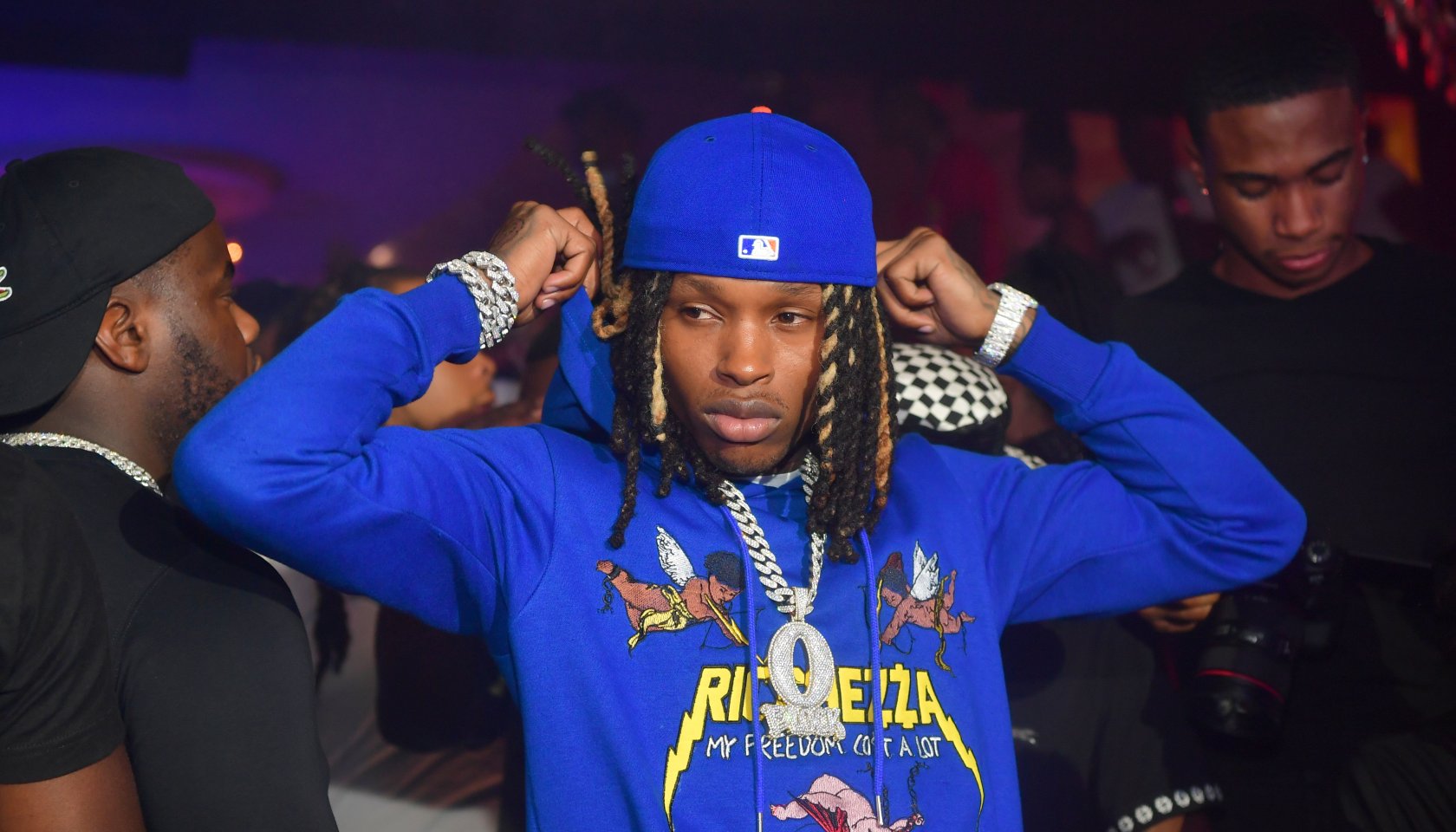
Source: (Photo by Prince Williams/Wireimage) / (Photo by Prince Williams/Wireimage)
Chicago’s fingerprints are all over American music. The city has helped shape blues, gospel, house, soul and Hip-Hop, while producing generations of artists who found ways to make their neighborhoods, slang and experiences travel far beyond Illinois. When Chicago rap entered another era in the early 2010s, drill gave the city a new sound that would eventually influence rappers from New York to London and beyond.
But telling the story of Chicago drill means confronting the environment that produced much of it. The music frequently documented neighborhood feuds, poverty, gang conflict, grief and gun violence that were already part of some young artists’ lives; it would be too simplistic to say the music itself created those conditions. As Pitchfork noted when looking back at drill’s rise, the genre emerged from communities dealing with a much longer history of segregation and neglect, with teenagers essentially reporting what they saw around them.
The distinction matters because behind every viral diss track or street anthem was an actual young person trying to build a career. Some were only beginning to understand how far music could take them when their lives were cut short. The September 2026 killing of 22-year-old Bloodhound Q50 is only the latest reminder: police said the rising Chicago rapper was fatally shot in an ambush in the Fuller Park neighborhood on September 13. Below are 10 Chicago rappers whose deaths left unfinished careers behind.
Bloodhound Q50
Mikquale Cooper, better known as BloodHound Q50, was just 22 when he was shot and killed in Chicago on September 13, 2026. His career had accelerated quickly over the previous two years, helping a newer generation of Chicago street rap gain a national audience. At the time of his death, police had not announced a motive or suspects, while his YouTube channel had amassed hundreds of millions of total views.
King Von
King Von, born Dayvon Bennett, arguably became the biggest star on this list before his death. The O’Block rapper broke through with vivid, detail-heavy storytelling and records like “Crazy Story,” eventually becoming one of the most recognizable voices to come from Chicago’s drill lineage. Von was 26 when an argument between two groups outside an Atlanta hookah lounge escalated into gunfire on November 6, 2020; authorities said he was shot during the initial exchange before police intervened.
FBG Duck
Born Carlton Weekly, FBG Duck built one of the biggest independent followings in Chicago before “Slide” pushed him toward the mainstream. Its success eventually helped him land a deal with RECORDS/Columbia, and the track even received a remix from 21 Savage. Duck was 26 when gunmen opened fire on him in Chicago’s Gold Coast on August 4, 2020, in what police described as a targeted attack.
Young Pappy
Young Pappy, born Shaquon Thomas, became one of the North Side’s most memorable drill voices despite having an extremely short career. His frantic delivery and intensity made songs such as “Killa” stand out even in a scene built around aggression, with Pitchfork later calling it one of Chicago drill’s essential records. Pappy was only 20 when he was fatally shot in Uptown on May 29, 2015; authorities said he had previously been the apparent target of other shootings.
L’A Capone
There might not be a bigger Chicago drill “what if?” than L’A Capone. Born Leonard Anderson, the 600/OTF affiliate was only 17 but had already developed a following alongside rappers including RondoNumbaNine and Lil Durk. Anderson was leaving a recording studio on September 26, 2013, when he was shot in an alley in Chicago’s South Shore neighborhood, dying later that night at Northwestern Memorial Hospital.
Lil JoJo
Lil JoJo, born Joseph Coleman, became one of the earliest names permanently associated with drill’s dangerous intersection of music, neighborhood rivalries and social media. The 18-year-old drew attention with records targeting rival factions and was already embroiled in highly publicized online feuds when he was killed in a drive-by shooting on September 4, 2012. His murder became one of the defining early tragedies of Chicago’s emerging drill scene.
Blood Money/Big Glo
Blood Money, also known as Big Glo, was Chief Keef’s cousin and an early member of the Glo Gang/GBE orbit. Born Mario Hess, he had reportedly signed a deal with Interscope only weeks before he was killed, making his death another case of a Chicago rapper being lost just as a larger opportunity opened up. Hess was shot outside his West Englewood home on April 9, 2014.
Dooski Tha Man
Dooski Tha Man, born Vantrease Criss, was closely connected to Chicago’s drill underground and earned recognition through collaborations and records that circulated heavily in the city. The 25-year-old was shot and killed in Washington Park on October 9, 2018, after gunfire erupted in the 5600 block of South Michigan Avenue. The violence surrounding his death became even more disturbing when six people were shot outside the church following his funeral service less than two weeks later.
Lil Mister
Lil Mister, also known as Montana, was another rapper whose name goes back to drill’s first major wave. Alongside P. Rico, he helped create “No Lackin,” one of the records that became deeply associated with the early Chicago scene. Lil Mister was fatally shot in Englewood on March 15, 2019, after being struck in the head and taken to the University of Chicago Medical Center.
KTS Von
Not to be confused with King Von, KTS Von, born Devon Davis, became an underground cult figure on Chicago’s East Side. His music was darker and more abrasive even by drill standards, with “Kill To Survive” becoming the track most closely associated with him. Davis died on June 23, 2015, at just 21 years old, leaving behind a small catalog that continued gathering millions of views after his death.