

With patriotic cinema and stories of national pride becoming increasingly visible in popular culture, Advani does not believe audiences have necessarily developed a fixed template for what such stories should look like. According to him, the responsibility lies with storytellers to determine how they want to approach the subject.
“A template has been set from the storytellers’ point of view, not from the audience’s point of view. If the audience gets moved by a story and connects with it, they will accept it,” he says.

Advani believes patriotism can therefore mean very different things to different people. “Depending on where you want to stand, if your patriotism means that you have to wave the flag, then that is patriotism. For me, it is not that at all. I chose to do Airlift, Mrs Chatterjee vs Norway, and Mumbai Diaries. Patriotism has to be very personal. It cannot be dictated to you that this is patriotic. It’s a personal thing.”
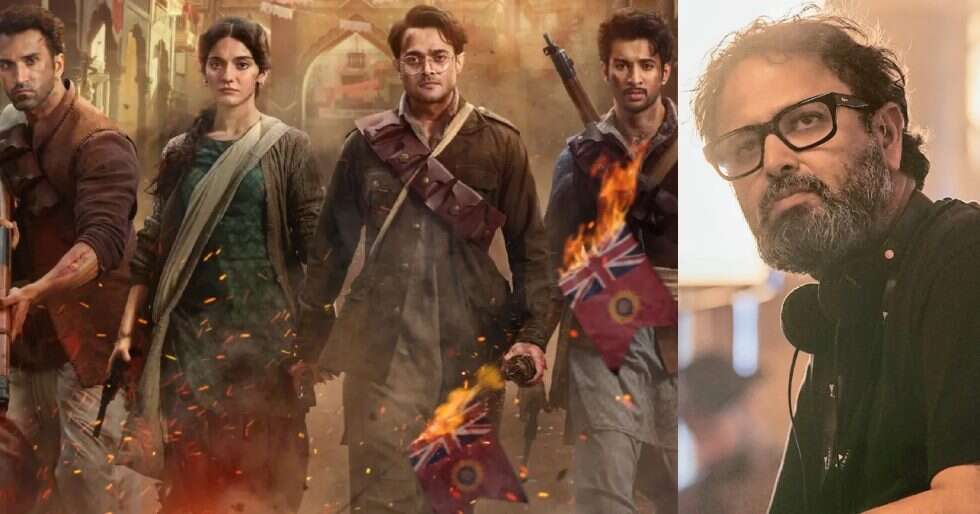
Advani points to Pratibha Lahiri, played by Pratibha Ranta, as one example of what patriotism can mean beyond the battlefield. “I feel that Pratibha’s character in The Revolutionaries is explaining to the man she’s betrothed to that I’m not asking for your permission. I’m asking for your support. I’m telling you that I want to be part of this revolution. That’s patriotic for me, because she’s taking a stand for all women. She’s become an inspiring example.”
On the other end of that spectrum is Rash Behari Bose, played by Bhuvan Bam, whose approach is far more direct.
“On the other side, Rash Behari Bose decides that let’s throw a bomb on the Viceroy and blow him up. So patriotism is like a spectrum. That stand is not taken by the audiences. It’s been taken by us,” he concludes.
