

- Making money and achieving success require different mindsets—discipline and sustainable business practices matter more than street credibility.
- Fair’s spiritual awakening, including a near-fatal shooting and prison discovery, became pivotal to his decision to leave criminal life behind.
- Manhood and responsibility extend beyond financial provision to include sharing knowledge, supporting family, and considering impact on communities.
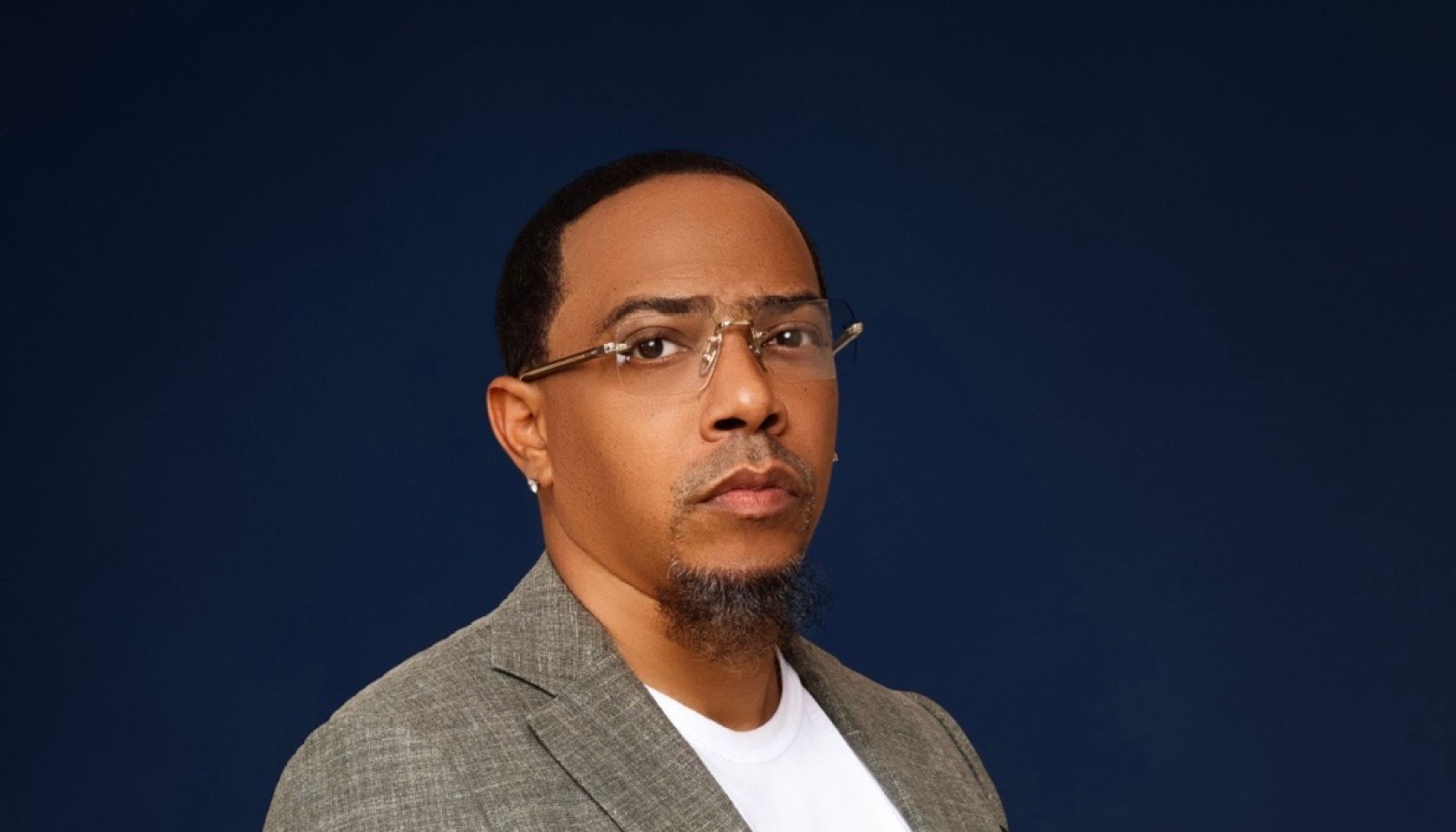
Author and entrepreneur Kie Fair knows that having money and achieving success aren’t necessarily the same thing, and after nearly losing his freedom, he’s using his testimony to help others rewrite their stories.

During an intimate lunch at Nobu Atlanta, Fair sat down with BOSSIP’s Lauryn Bass to discuss his book, Undefined Evidence, and his transformation from street life to legitimate entrepreneurship.
The Washington, D.C., native, who once faced a possible seven-year prison sentence, now operates businesses including BWI Motorsports, Halo Highline, and TAI Nation, his motivational platform centered on the philosophy “Think About It.”
However, his transformation required more than changing how he earned money.
Kie Fair On Redefining Wealth And Success
When asked what he had to lose to recognize the difference between making money and achieving success, Fair admitted that his former lifestyle never truly aligned with his ambitions.
“Yes, I was in the streets, but I didn’t want to be,” he said.

Fair explained that street credibility once seemed more desirable than entrepreneurship, despite growing up watching his mother operate her own businesses.
He eventually learned that financial success required discipline rather than appearances.
“When you’re in the streets, you don’t respect money,” Fair said.
Today, his approach emphasizes saving, monitoring his finances, and building sustainable businesses.
Fair also encouraged aspiring entrepreneurs to explore opportunities beyond their immediate talents, recalling how he expanded his automotive business from window tinting into vehicle customization and product development.
His advice? Define success for yourself rather than allowing society to determine what it should look like.

A Near-Death Experience And A Second Chance
Faith became another defining part of Fair’s transformation, although his spiritual journey began long before incarceration.

During the exclusive conversation, Fair recalled narrowly escaping gunfire after an encounter outside a Howard University dormitory.
He said bullets struck his vehicle, including the windshield, but missed him after he instinctively moved.
His childhood friend Reggie embraced his faith following the incident, while Fair continued down a different path.
“God knocked on my door a lot of times,” Fair said. “I’m just glad he came back to knock again.”
Years later, while incarcerated, Fair recalled discovering that his cell was the only one among more than 40 containing a book about God.
The experience reinforced his decision to change his life.
Still, temptation presented itself after his release.
Fair recalled encountering a former street associate who thanked him for remaining silent during his legal troubles before offering him an opportunity to resume their business relationship.
Despite rebuilding his life with $19,000 in restitution, Fair declined.
He acknowledged that returning might have been easier financially, but he refused to compromise his freedom again.
Accountability, Manhood And Writing Another Chapter
Fair’s experiences also reshaped his understanding of responsibility, particularly as a father and businessman.
When asked about the pressure on Black men to provide financially, he emphasized that manhood extends beyond money.
“What are you bringing to the table? What are you pouring into it?” he asked, stressing the importance of sharing knowledge and supporting family members.
That perspective also informs TAI Nation, where Fair encourages people to consider how their decisions affect loved ones, employees, and their communities.
His book, Undefined Evidence, builds on that message by challenging the idea that past mistakes must determine someone’s future.
“The hero and the felon. That’s what it’s all about,” Fair said. “You can be the felon. You can also be a hero.”

His message to anyone struggling with their past was equally direct:
“If you don’t like the last chapter of your life, pick the pen up, write another chapter.”
As for what’s next, Fair revealed that his third book, Confused Love, is undergoing edits, and he hopes to adapt his books into films.
While continuing to pursue motivational speaking, Fair remains focused on becoming a better businessman, father and leader.
“Am I perfect? Absolutely not. But God knows my heart,” he said.
For Fair, redemption isn’t about erasing the past. It’s about making sure the next chapter tells a different story.
To learn more about Kie Fair’s journey, explore his book Undefined Evidence and discover his motivational work through TAI Nation, where he continues encouraging others to embrace accountability, pursue their purpose and recognize the power of a second chance.


